Transportation Cross Docking
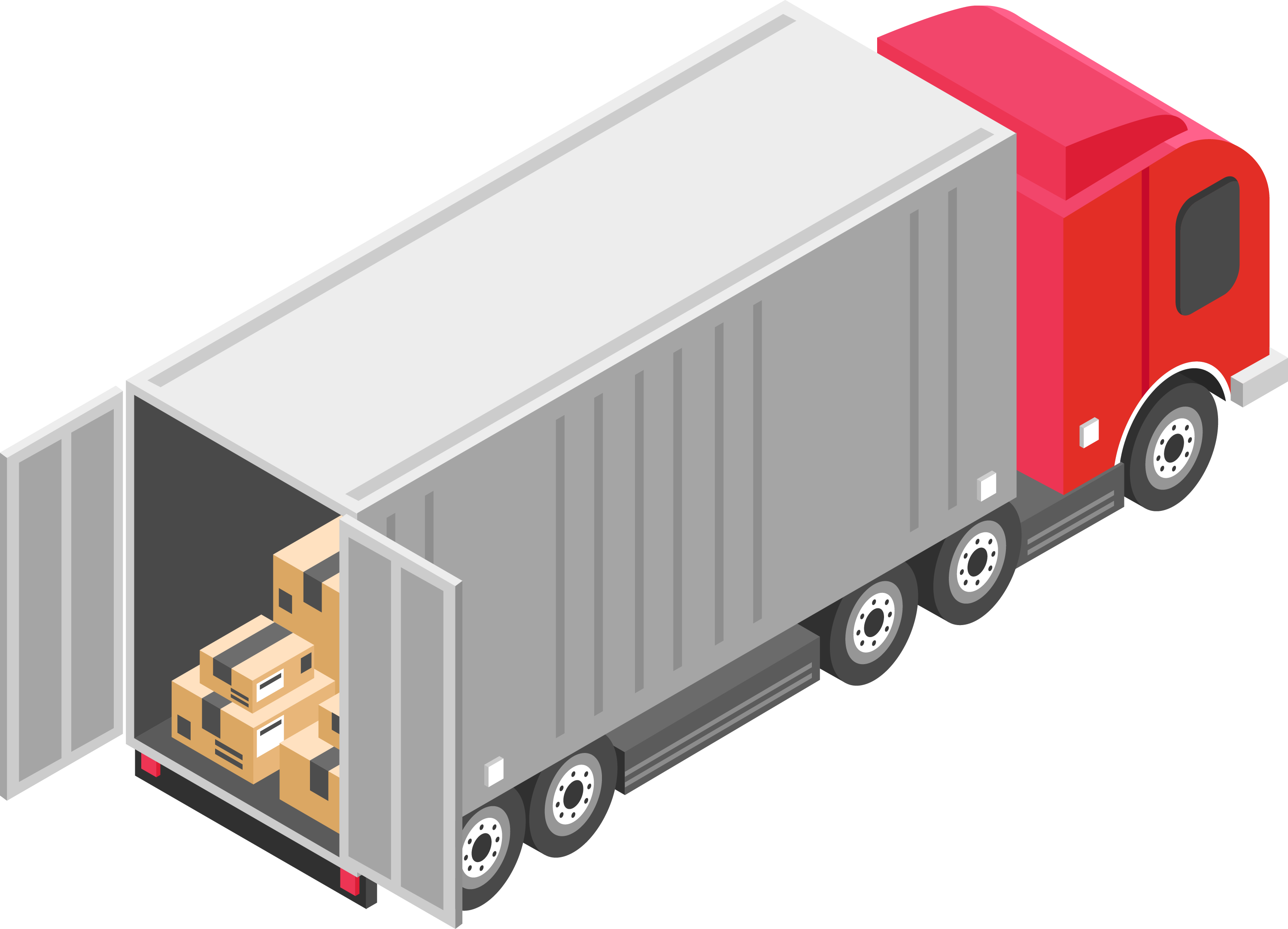
This type of CCG cross-docking brings together smaller shipments used in less-than-truckload (LTL) services. By combining loads from multiple carriers, it helps reduce costs while keeping production running smoothly.
Opportunistic Cross Docking
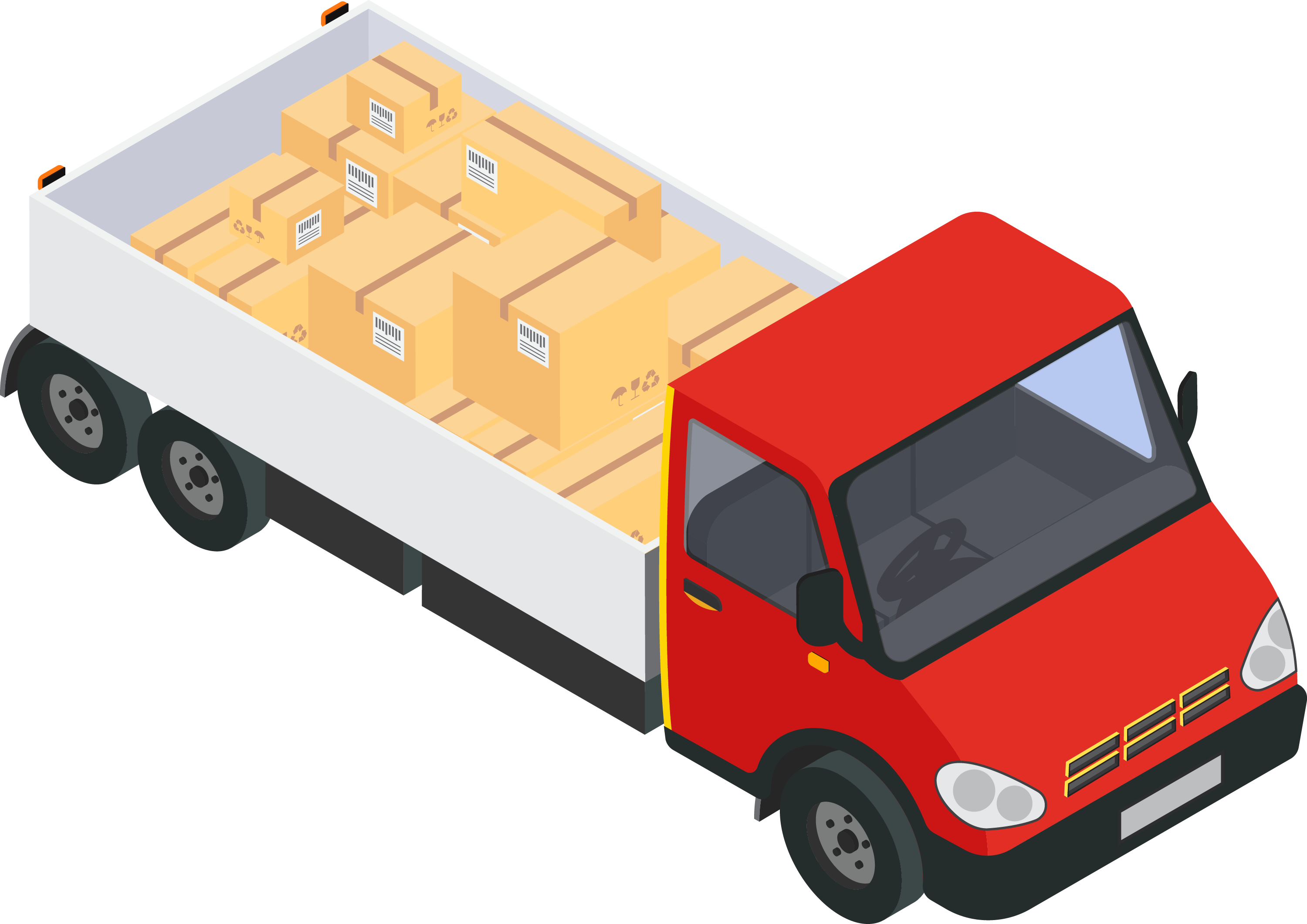
The opportunistic CCG cross-docking system moves products straight from the receiving dock to the outbound shipping area. This means customers get their orders faster, without extra handling, and it works with any warehouse setup.
Manufacturing Cross Docking
In CCG cross-docking, a central distribution center first receives incoming materials and then sends them to manufacturing centers. These centers can be located in the same warehouse or at a different site. The warehouse can also sort and organize the materials into smaller groups to match specific order requirements.
Distributor Cross Docking
This type of CCG cross-distribution works by collecting inbound products from different merchants and combining them into a single, assorted package. Once the last item arrives, the complete package is sent to the customer. For example, a seller of computer accessories might source different items from multiple suppliers, bundle them together, and then ship the final package to the customer.
Retail Cross Docking
Retail cross-docking is a process where products from different suppliers are delivered to one central location, sorted, and then quickly sent out to various retail stores. A great example of this is how Walmart operated in the 1980s. They managed two main types of products: staple stock, which was regularly stocked and sold all year, and direct freight, which was bought only once and not restocked after selling out. By using cross-docking for the direct freight items, Walmart minimized storage time and costs, saving money by keeping these products in the warehouse for only a short period.