What products are well suited for CCG cross-docking?
CCG Cross-Docking: Making Logistics Faster and Smarter
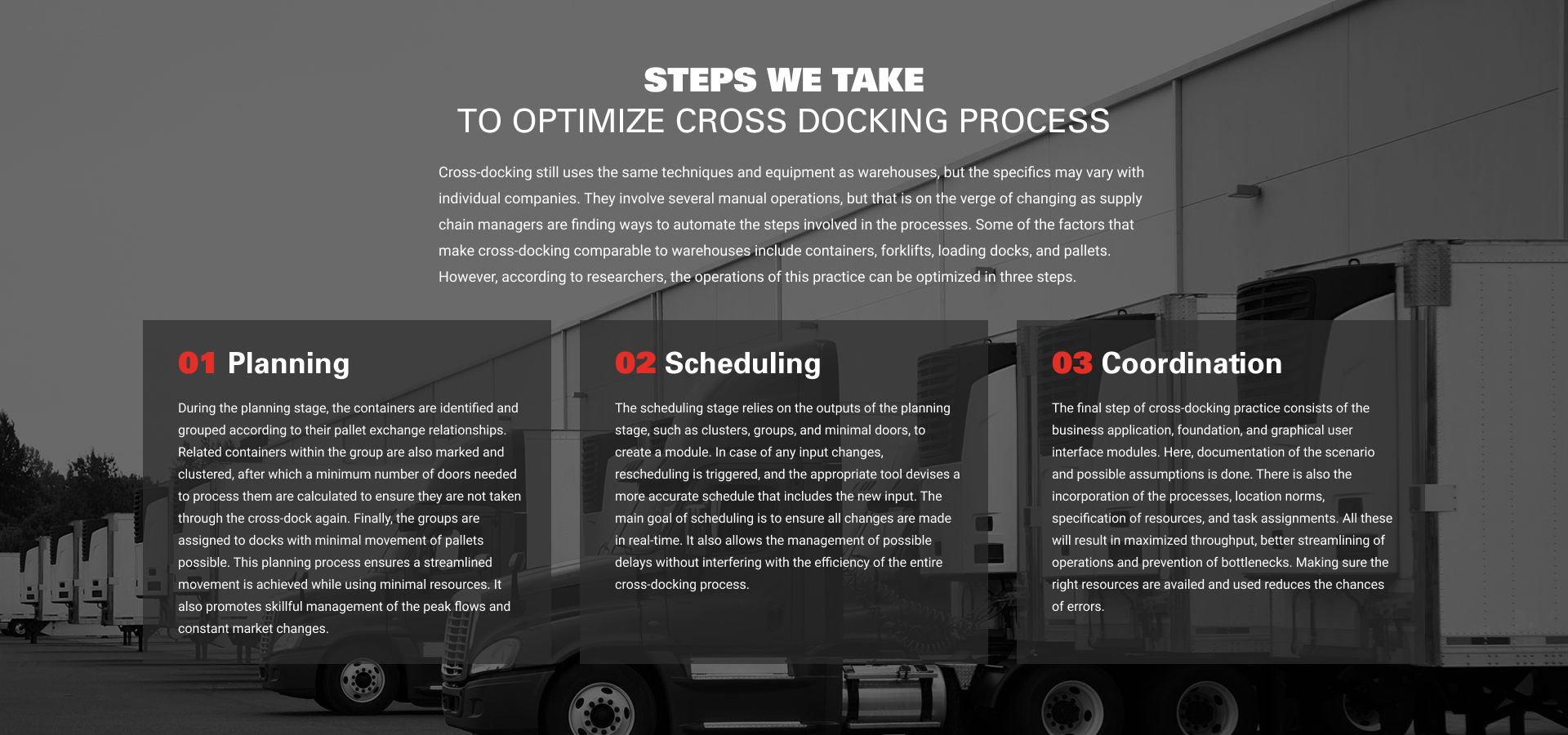
CCG Cross-docking is a logistics method designed to cut down product handling and storage time. Before a business adopts cross-docking, it’s important to assess how long it takes to handle each product, because timing plays a crucial role in its success.
Products Best Suited for Cross-Docking
Cross-docking works best with products that move quickly or are ready to sell right away, such as:
-
New items entering the market.
-
Pre-labeled or retail-ready goods.
-
High-demand products driven by trends or seasonal needs.
-
Perishable goods like fresh food that need fast delivery to prevent spoilage.
Cross-Docking vs. Traditional Warehousing
While both cross-docking and warehousing handle product distribution, they operate quite differently.
In traditional warehousing, goods are stored for a period before they are shipped out. Warehouses were once vital for managing supply chains and ensuring timely deliveries. However, they also come with several drawbacks:
-
High labor and storage costs.
-
Extra handling that wastes time and effort.
-
Added expenses for taxes, utilities, insurance, and inventory systems.
Because of these issues, many companies are rethinking the need for large warehouses.
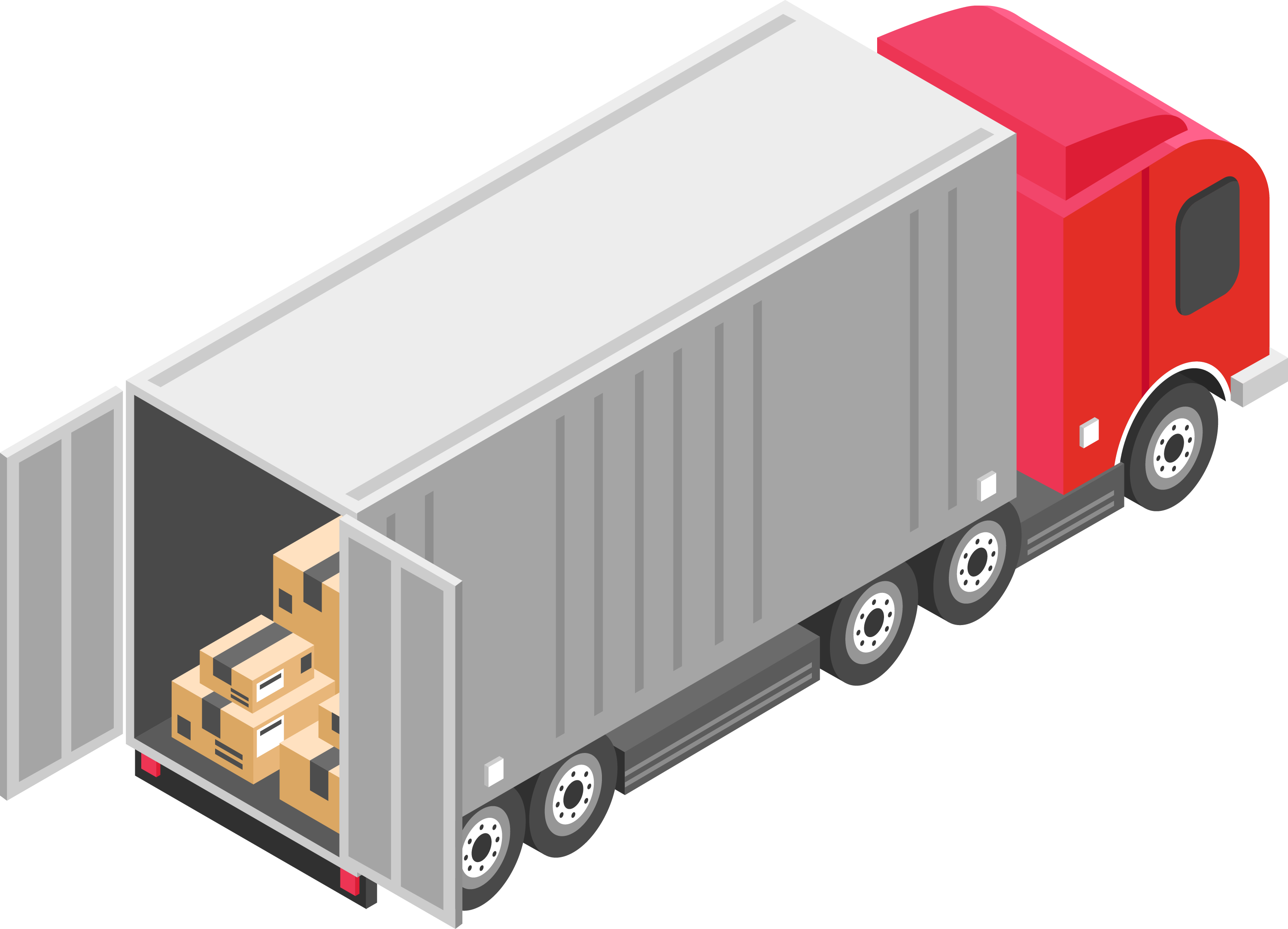
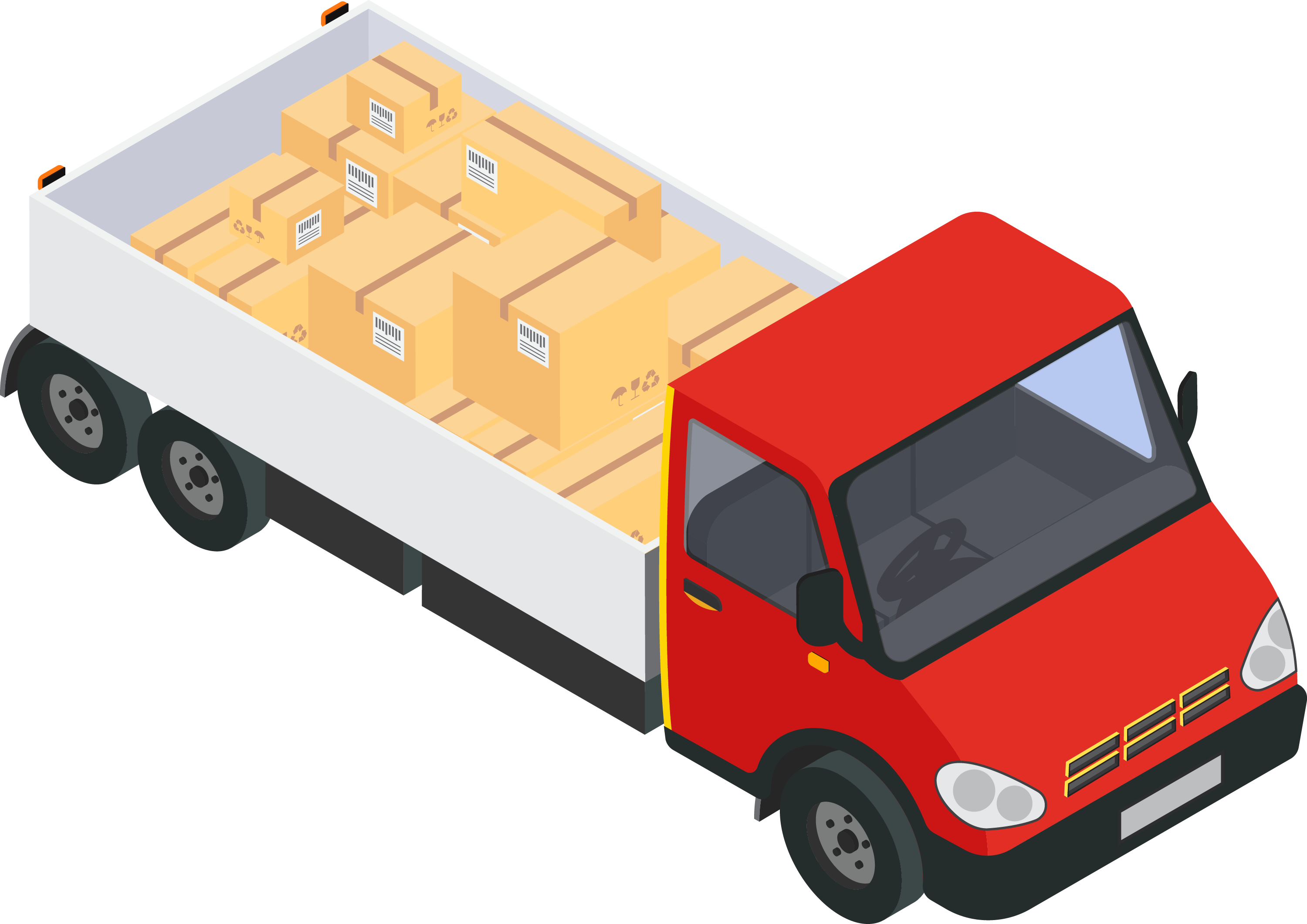
In contrast, cross-docking eliminates long-term storage. Products are delivered to a distribution center, quickly sorted, and immediately loaded onto outbound trucks for delivery to retailers or customers. This method:
-
Reduces inventory and storage costs.
-
Lowers labor and handling expenses.
-
Speeds up the distribution process.
Depending on the business type, cross-docking can be customized to deliver goods directly to customers or retail outlets, offering flexibility and efficiency throughout the supply chain.